
Every wedding, birthday, holiday party, or grand opening looks simple from the outside, but behind the scenes it runs on a web of pricing decisions that most consumers never see. Vendors price around seasonality, scarcity, and risk, not just labor and materials, which is why the same service can cost wildly different amounts depending on the month or the day of the week. Understanding these hidden economics helps you avoid overpaying, spot which costs are negotiable, and plan your budget with far more confidence. This article breaks down how event-driven industries actually set their prices, so you can make smarter decisions the next time you book a vendor.
Why Peak Season Pricing Feels So Steep

Event-based businesses live and die by seasonality, and that reality shapes almost every quote you receive. A company that owns a fleet of vehicles or a warehouse of equipment has fixed costs year round, but demand is concentrated into a few busy months, so prices during peak weekends have to cover the slow stretches too. This is especially visible with event rentals, where tents, chairs, and staging equipment sit idle for months before being booked solid every Saturday from May through October.
Knowing this pattern gives you leverage. If your date is flexible, shifting a celebration to a Thursday or into a shoulder-season month can meaningfully lower your costs without sacrificing quality.
- Peak wedding season typically runs late spring through early fall in most regions
- Friday and Sunday bookings are often 10 to 20 percent cheaper than Saturday
- Holiday weekends carry premium pricing due to compressed availability
- Booking six to twelve months ahead usually locks in lower base rates
How Transportation Vendors Price by the Hour
Group transportation is one of the clearest examples of hidden event economics because the pricing structure rarely matches what people expect. A party bus is usually quoted with a minimum hourly commitment, often four or five hours, regardless of how long you actually need the vehicle. This protects the operator against slow booking windows and fuel costs, but it also means a two hour request often gets priced the same as a four hour one.
The math behind this becomes clearer once you consider what the vendor is actually selling: not transportation, but a block of exclusive availability. A driver who commits to your event at 6 PM often can’t schedule another job beforehand, so the quote has to cover the dead time before and after your actual usage. Industry averages put party bus rentals somewhere between $100 and $250 per hour, but that rate only drops once you clear the minimum threshold, which is why a six hour rental often looks like a better value per hour than a three hour one.
There are other line items that compound the confusion. Fuel surcharges, gratuity (often a mandatory 15-20%), and cleaning fees for spills or damage are frequently quoted separately from the base hourly rate, so the number a customer first sees is rarely the number they end up paying. Weekend and holiday dates typically carry premium pricing on top of the standard minimum, since operators know demand is inelastic on prom night or New Year’s Eve.
This pricing logic isn’t unique to party buses; it shows up across limousines, charter buses, and even shuttle services for weddings and corporate events. Understanding the hourly minimum as a reservation fee for the vendor’s time, rather than a direct measure of the service you’ll use, makes it easier to negotiate or compare quotes accurately.
Fuel prices, driver wages, and insurance premiums for commercial vehicles all get baked into that hourly rate, and they fluctuate more than most renters realize. A charter bus company operating in a metro area, for example, has to account for licensed and insured drivers who often earn $25-$40 an hour, plus fuel costs for vehicles that can burn through a gallon every 6-8 miles in stop-and-go traffic. Add commercial insurance policies that can run several thousand dollars per vehicle annually, and you start to see why a three-hour minimum isn’t arbitrary padding.
Most vendors also build in a minimum booking window, typically three to five hours, regardless of how long you actually need the vehicle. This exists because dispatch, cleaning, positioning the vehicle at your pickup location, and driver scheduling all cost money whether the client uses the full block or not. A wedding shuttle that only runs for ninety minutes of actual driving time still ties up a driver and vehicle that could have served another booking that day.
Asking a vendor to break down their minimum hour policy before you book can save you from an unpleasant surprise on the final invoice. Ask specifically whether overtime is billed in fifteen-minute increments or rounded up to the next full hour, since that difference alone can add $50-$100 to a bill that runs just a few minutes long. It’s also worth asking whether gratuity, fuel surcharges, or “deadhead” time — the miles a driver travels to reach you and return to base — are included in the quoted rate or tacked on separately.
The Real Cost Behind Fresh Floral Design
Flowers are one of the most misunderstood line items in any event budget because their price is tied to a perishable global supply chain, not just design labor. Floral arrangements are priced around what is in season, what has to be imported, and how much waste the florist expects from delicate stems that may not survive transport. A centerpiece built from locally grown blooms in June will almost always cost less than the same look attempted in December using flown-in flowers.
Florists also factor in the labor-intensive nature of arranging, since most designs are still built by hand under tight timelines. Understanding that the flower itself is only part of the cost, alongside sourcing risk and skilled labor, helps explain why quotes vary so much between vendors.
- Seasonal, locally grown flowers are generally the most budget friendly option
- Imported blooms carry higher costs due to shipping and spoilage risk
- Design complexity, not just flower type, drives labor pricing
- Requesting substitutions for out-of-season flowers can lower your total
What Drives the Price Tag on Wedding Attire

The economics of wedding attire are shaped by low inventory turnover and highly personalized service, which is different from most retail experiences. A bridal shop typically operates on thinner margins per garment than people assume, because each dress requires extended fitting appointments, alterations, and staff time that a standard clothing store never accounts for. A single gown might involve three or four consultations, each lasting an hour or more, plus a dedicated seamstress for multiple rounds of alterations before the dress ever leaves the shop.
Sample sizes, seasonal collections, and the need to hold inventory for months before a single sale all add carrying costs that get folded into the final price. Bridal shops often order gowns four to six months ahead of a wedding date, meaning capital gets tied up in stock long before a customer even walks in. Sample dresses used for fittings also wear out from repeated try-ons, forcing shops to periodically retire and replace them at full wholesale cost, even though those samples generate no direct revenue.
There’s also the matter of one-time purchase behavior. Unlike a clothing retailer that can count on repeat customers buying multiple items per year, a bridal shop sells a bride exactly one dress, once, which limits opportunities to build long-term customer value through repeat sales. That reality pushes shops to price in enough margin per transaction to cover marketing, staffing, and overhead that a higher-turnover retail model would spread across dozens of purchases per customer instead of just one.
What Drives the Price Tag on Wedding Attire
Alterations are often where the real cost surprises happen, since they are priced separately from the garment itself and can add hundreds of dollars depending on complexity. A simple hem might run $50 to $75, but bustling a train, taking in a bodice, or adding boning can push the total to $400 or more, and heavily beaded or lace fabrics cost extra to work with because they require specialized hand-stitching.
This pricing structure exists because alterations are inherently unpredictable labor, unlike the fixed cost of manufacturing the dress itself. A seamstress cannot quote accurately until she sees how the garment fits a specific body, which is why many boutiques treat the first fitting as a separate, billable diagnostic step rather than folding it into the purchase price.
Asking for a full itemized quote upfront, rather than just the dress price, gives you a much clearer picture of the total investment. A useful checklist includes the number of fittings included, rush fees for last-minute changes, and whether pressing and steaming before pickup are billed separately, since these line items are where quotes commonly diverge from the final bill.
How Catering Quotes Are Really Built
Catering pricing looks simple on a menu card, but it is actually built from several layered cost categories that shift depending on your guest count and service style. Catering quotes typically factor in food cost, staffing ratios, rental equipment, and a built-in buffer for waste, since caterers have to prepare for slightly more guests than confirmed to avoid running short. Buffet service tends to be less labor intensive than plated dinners, which is why the two styles carry noticeably different price points even with identical menus.
Minimum guest counts are another hidden factor, since many caterers set a floor that protects their profitability on smaller events. If your gathering falls below that minimum, you may be paying a per-person rate that assumes a larger headcount than you actually have.
- Plated service generally costs more per person than buffet or family style
- Bar packages are often priced separately and can rival food costs
- Minimum guest counts protect caterer margins on smaller events
- Requesting a detailed cost breakdown helps identify negotiable line items
Why Seafood and Specialty Ingredients Spike Costs

Few ingredients expose the fragility of event pricing like seafood does, and understanding why can help you set realistic expectations. Fresh seafood is priced daily on wholesale markets that respond to weather, fuel costs for fishing fleets, and international demand, which means a menu quoted in January might cost noticeably more by June. Caterers and restaurants absorb this volatility by either locking in supplier contracts months ahead or building a price cushion into quotes that feature seafood prominently.
This is also why some vendors offer substitution clauses in their contracts, allowing them to swap a specific fish for a comparable option if market prices spike unexpectedly close to your event date. Asking whether your quote is locked or subject to market adjustment is a simple question that can prevent a last-minute cost increase.
The Equipment Economics Behind Every Kitchen
Every plate served at an event traces back to equipment that most guests never think about, and the cost of that equipment shapes menu pricing more than people realize. Restaurant supply costs, including commercial ovens, refrigeration units, and prep stations, represent a significant fixed investment that vendors have to recover through their service pricing over time. When a caterer or venue quotes you a price, part of what you are paying for is the depreciation and maintenance of equipment that keeps food safe and consistent at scale.
This equipment burden also explains why some smaller or newer vendors offer lower prices, since they may be leasing rather than owning gear, at least temporarily. It is worth asking a vendor how established their kitchen setup is, since equipment reliability directly affects whether your event runs smoothly.
How Fixed Venue Costs Shape Menu Pricing
Sit-down venues operate under a different cost structure than mobile or event-only vendors, and this affects how they price group bookings. A dining restaurant carries continuous overhead, including rent, utilities, and full-time staff, whether or not it hosts a private event that night, so private dining minimums are set to guarantee that overhead gets covered. This is why many restaurants require a food and beverage minimum for private rooms rather than simply charging a flat rental fee.
Cuisine type also plays into these numbers in ways guests rarely consider. Italian restaurants, for example, often price group menus around shared plates and family-style courses, which can actually reduce per-person costs compared to individually plated options at other venues, making them a practical choice for larger celebrations on a budget.
The Mobile Food Business Cost Structure
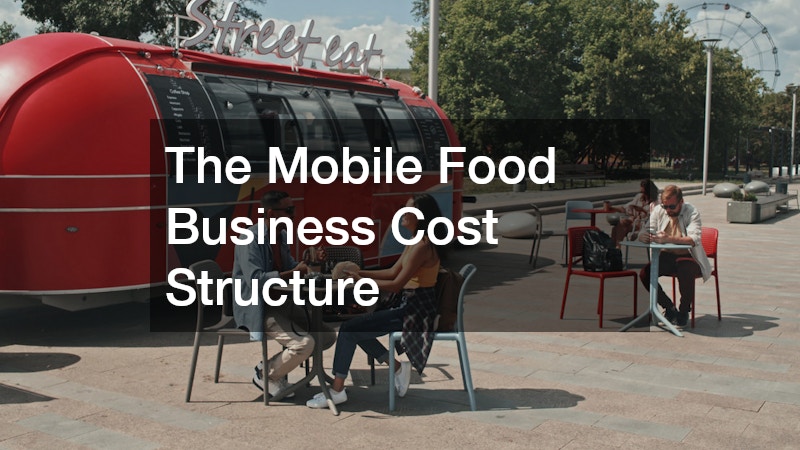
Mobile food vendors have become a popular, more affordable alternative to full catering, but their cost structure has its own hidden layers worth understanding. Beyond the kitchen equipment inside the vehicle, the exterior build matters too, since food truck metal sheets used for the body and cooking area have to meet health and fire safety codes, which adds real cost to the vehicle before it ever serves a single meal. That upfront investment gets spread across every booking a mobile vendor takes on throughout the year.
Because mobile vendors typically have lower overhead than a full restaurant space, they can often offer more competitive per-person pricing for casual events. However, travel distance, generator fuel, and permit fees for operating in certain locations can still add unexpected costs to your final quote.
- Ask whether travel fees apply for your event location
- Confirm permit responsibilities, since some venues require the vendor to secure their own
- Compare per-person pricing against traditional catering for casual gatherings
- Request a sample menu to understand ingredient-driven price variation
Once you understand that event pricing is driven by seasonality, perishable goods, equipment investment, and fixed overhead, quotes stop feeling arbitrary and start making sense. That knowledge puts you in a stronger position to compare vendors, ask sharper questions, and negotiate where there is actually room to do so. Before booking anything for your next celebration, request itemized quotes from at least two or three vendors in each category you need. Doing that homework now will save you money and stress later.